May 28, 2026 · 7 min read
Robotics just had its GPT-3 moment. By 2030 you'll talk to a robot in your building
In April, Physical Intelligence dropped a paper that should have been a bigger story than it was. Their new model, π0.7, was handed an air fryer it had never seen in training and figured out how to operate it. Then it was put in front of a UR5e robot arm it had also never been trained on, and asked to fold laundry with two arms at once. It folded the laundry. Not perfectly, but well enough that the only honest description is the one researchers have been afraid to use: the robot generalized. It composed skills it learned in one place to do a thing it had never been shown.
If that sentence doesn't land, let me put it another way. For sixty years, robotics meant carefully writing down every motion a machine would ever perform. For the last five years, robotics meant training a model on huge piles of demonstration data for one specific task in one specific lab. April is the month that quietly stopped being true.
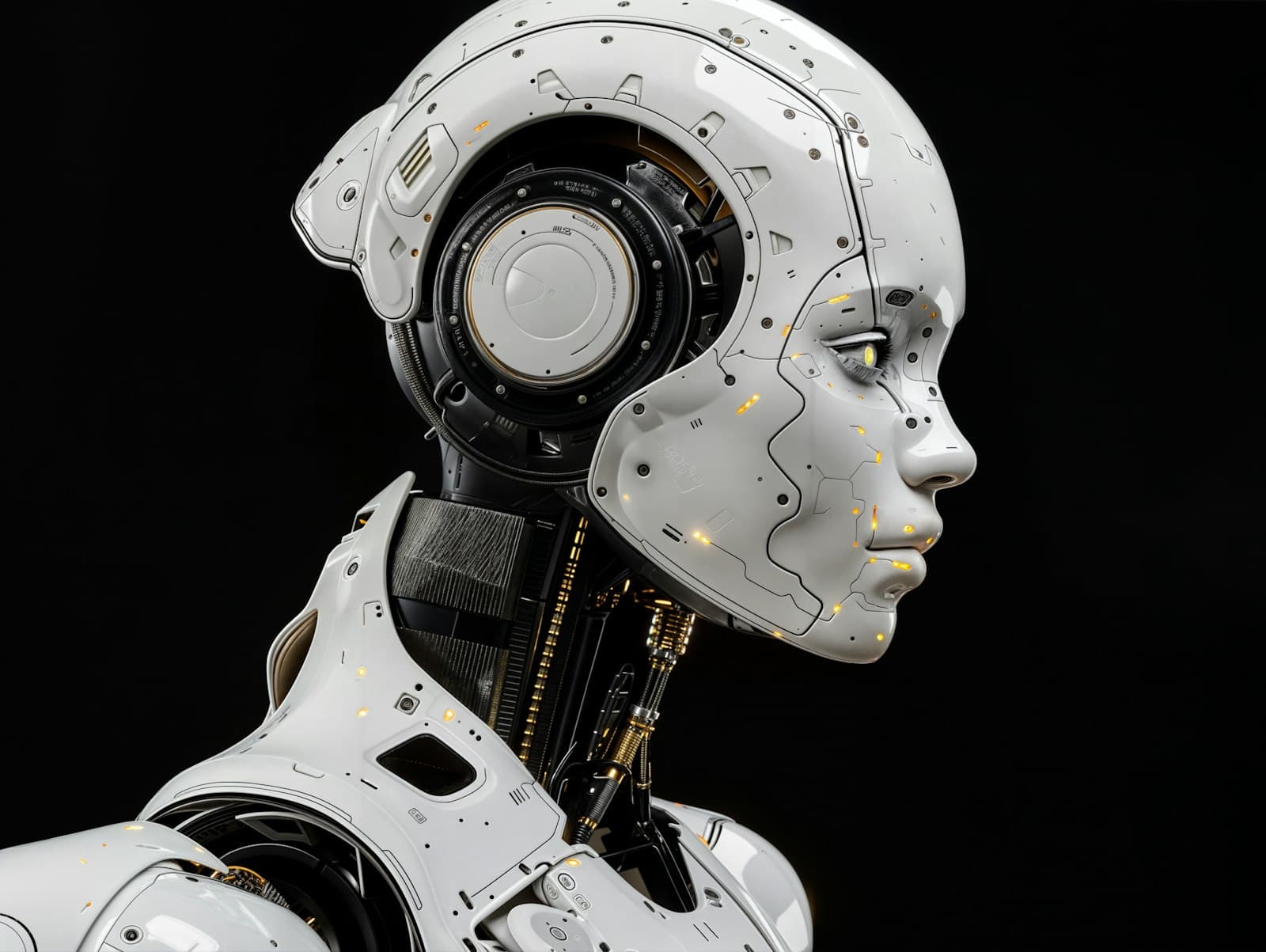
Why compositional generalization is the GPT-3 moment
The reason GPT-3 was a turning point wasn't that it wrote better essays than the model before it. It was that it did things nobody had explicitly trained it to do. Translation, summarization, code, all of it fell out of a single big model trained to predict text. The same shape of surprise just happened in robotics. π0.7 wasn't trained to operate that air fryer, and it wasn't trained on that arm. Both came out of the model recombining what it already knew. Researchers call this compositional generalization. The plain-English version is: the robot understood the situation, not the script.
Once you cross that line, the economics of the field flip. The old question was, how much demonstration data do we need to teach a robot this exact job. The new question is, how much general experience does a robot need before any reasonable new job is something it can attempt on day one. That's not a minor tuning of the same business model. That's a different industry.
The robot didn't follow instructions on a familiar machine. It walked up to an unfamiliar one and worked it out. That gap is the whole game.
And then the supply side opened up
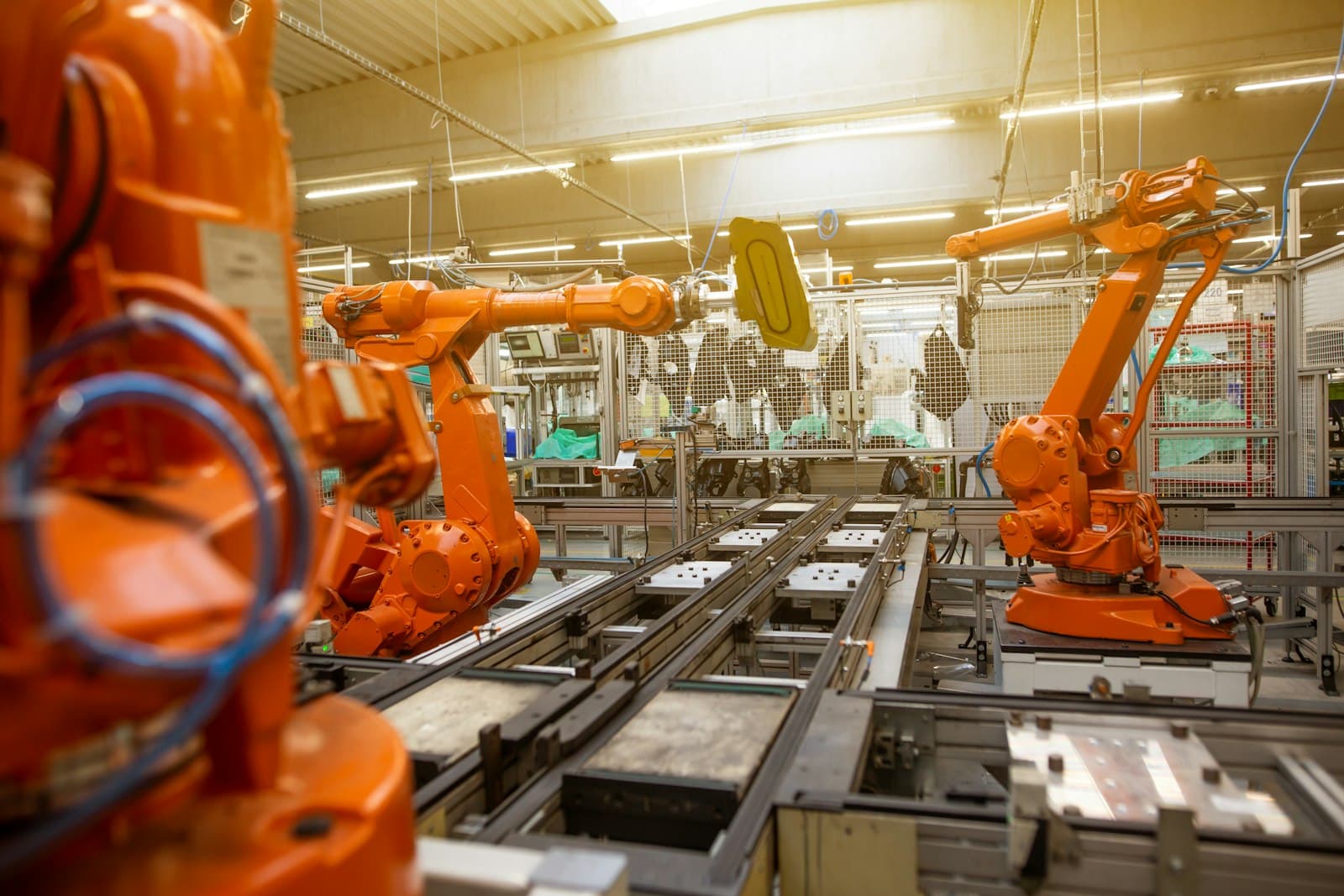
The other half of the story, and the one most people are missing, is that hardware caught up at almost the same time. Figure announced on May 1st that their BotQ factory is now producing Figure 03 humanoids at a rate of roughly one per hour. They've built more than 350 of them. A humanoid robot used to be a multi-month custom build job. It's now a factory item. We've been here before with cars and with phones, and we know what happens after this point. Per-unit cost falls. Variants multiply. Buyers who were priced out a year earlier become the main market.
Put the two halves together. On the brain side, a model that can attempt unfamiliar tasks on unfamiliar hardware. On the body side, a factory that can stamp out hardware at consumer-electronics cadence. For most of robotics' history, only one of those existed at a time, and the other side was the bottleneck. This is the first quarter where both are unblocked at once.

What the next four years actually look like
Predictions are cheap, so I'll keep mine tight. By the end of 2027, the first humanoid units will be doing real shifts in warehouses and small manufacturing lines, not as demos but as line items in a CFO's spreadsheet. By 2028, hospitality, retail back-of-house and elder care start to pilot them seriously, because the labor math is too obvious to ignore. By 2029, the per-unit price drops below the annual cost of the human role they replace in several markets, and that's the moment the curve goes vertical. By 2030, the building you live in will have at least one robot in it: in the lobby, in the gym, in the grocery store downstairs, in a neighbor's apartment helping a parent. You won't notice the first one. You'll notice the third or fourth.
Most timelines like this one have been wrong because they bet on one side moving while the other stayed stuck. The honest reason this one is different is that the failure modes are now product problems, not research problems. Will the robot grip a glass softly enough. Will it apologize correctly when it gets in your way. Will the on-device model be cheap enough to run all day. None of those are out of reach. They're just work.
What this means if you build
The instinct for most founders watching this is to want to build a humanoid. Don't. The cost of competing with Figure or 1X on hardware is now in the hundreds of millions, and the window to be a hardware platform is closing quickly. What's wide open is the software, services and content layer that will sit on top of those platforms, the same way the iPhone made a thousand fortunes for the people who didn't build the iPhone.
- Skill packs for specific jobs. A robot that comes out of the factory generic, then learns a clinic's exact intake routine or a restaurant's exact prep, the way an app personalises a phone.
- Trust and safety tooling. When a 60kg machine moves through a building shared with humans, the boring infrastructure for permissions, audit logs and incident review becomes a real category.
- The interface layer. Humans will mostly talk to these robots, and the people who design those conversations, in local languages, with local cultural rules, will own a job that the labs themselves are bad at.
- Fleet operations. Most buildings won't own a robot, they'll subscribe to one. The dispatch, scheduling and remote-supervision stack for shared humanoids does not yet exist and will need to.
Honest caveats
I want to be careful not to overclaim. π0.7 is not a deployed product, it is a research model with a curated showcase, and the air-fryer story is from a controlled lab setup, not from somebody's kitchen. Failure rates in the wild are still high enough that nobody sane is letting a humanoid loose unsupervised in a home this year. Battery life, dexterous failure modes, the cost of a robot that drops a baby once: all real. The optimistic timeline above also assumes no major regulatory clamp-down, which is not guaranteed; the EU AI Act's high-risk provisions kick in this August and there's a real chance physical embodiment moves up that list before 2028.
But the thing I keep coming back to is the air fryer. Not the laundry, the air fryer. Because folding laundry with new hardware is impressive engineering. Operating a kitchen appliance the model has never met is something else. It's the first time the bar moved from 'can it do the task I trained' to 'can it do a reasonable task I didn't.' For everyone who has been telling themselves robotics is still ten years away, that bar moved in April and most of us missed it.
What I'll probably do
I'll probably pick a single domestic or commercial routine I personally hate doing, and quietly build the software stack that lets a third-party humanoid take it over by 2028. Not the robot. The brain on top of the robot, for that one task, in one language, in one country. The companies that win this decade will not be the ones that built the body. They'll be the ones who put the right intent into it.
We've spent forty years waiting for the robots. They're not waiting anymore. The interesting question for the rest of us is what we'll have ready for them when they walk into the room.